
Moisture vs. Hydration: The Difference That Saves Your Ends
A simple guide for softer hair and better length retention (with a tracking routine that works)
Hydration: water inside the hair (elasticity).
Moisture: lubrication + protection that helps water stay put (softness).
Length retention: keeping what you grow by reducing breakage and friction.
If your hair feels soft on wash day but crunchy by day three, you are not alone. Most of us respond by buying more products, layering more creams, and switching routines every week. The real fix is usually simpler: understand the difference between hydration and moisture, then build a routine that gives you both on purpose.
When you get this right, you stop chasing “growth” and start keeping the inches you already grew. That is length retention – and it is directly tied to how well your hair holds water and stays lubricated between wash days.
What hydration actually means
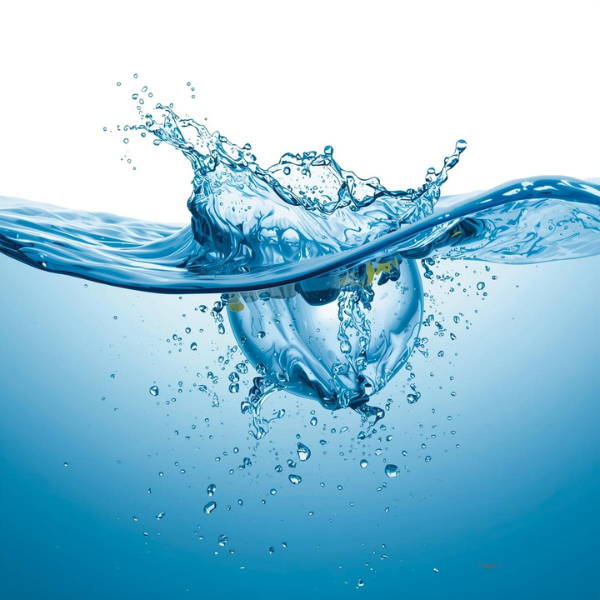
Hydration is water inside the hair. Think: the amount of water your strands can take in and keep. Hydration affects flexibility. Hydrated hair bends without snapping, handles detangling better, and usually has less breakage.
Hydration comes from: water, water-based products, and techniques that help water get into the strand (like working on damp hair, using steam, or using a conditioner that actually penetrates).
- Your hair feels stiff, rough, or ‘crispy’ even right after moisturizing.
- Curls look dull or will not clump the way they normally do.
- Hair tangles faster and breaks during detangling.
- Your hair drinks product quickly, but still feels dry.
What moisture actually means
Moisture is lubrication and softness that helps water stay put. In hair terms, we often use “moisture” to describe that slippery, conditioned feel – and the protection that keeps strands from losing water too quickly.
Moisture comes from: conditioners, emulsions (leave-ins and creams), and sealants (oils and butters) that slow down water loss and reduce friction. Moisture is also about low friction habits: gentle handling, satin at night, and protecting the ends.
Hair feels soft for a few hours, then gets fluffy and dry.
Your ends feel scratchy, split, or thin even if the roots feel fine.
Hair snaps when you stretch a strand gently.
You need to reapply product daily to keep hair manageable.
Why this difference matters for length retention
Length retention is not only about how fast your hair grows – it is about how little breaks off. Dry, under-hydrated hair is less elastic. It breaks during detangling, while styling, and from daily friction. Even tiny breaks add up to lost inches.
When you combine hydration + moisture, you create two big retention wins:
Better elasticity (less snapping).
Less friction (less breakage at the ends).
More consistent styles (less redoing and manipulating).
Fewer emergency trims caused by dryness and splitting.
A simple routine that delivers both (no guesswork)
Use this as a baseline and adjust based on your hair. The goal is consistency, not perfection.
Cleanse: Use a gentle shampoo. Clarify when buildup blocks water from getting in.
Condition: Use a rinse-out conditioner every wash day. Deep condition when your hair feels stiff
or after clarifying. Hydrate: Apply a water-based leave-in on damp hair. Do not wait until hair is almost dry. Moisturize: Layer a cream or moisturizer if your hair needs it (especially for thicker strands). Seal: Add a light oil or butter to slow water loss, focusing on the ends. Protect: Keep ends tucked when possible and reduce daily friction (satin scarf, bonnet, pillowcase).
Porosity tips (quick and practical)
Porosity is how easily your hair takes in and holds water. If you are not sure, your tracking will tell you over time. Start here: Low porosity: Use warm water, steam, or a warm cap to help water and conditioner absorb.
Choose lighter leave-ins and lighter oils. Avoid heavy layering that sits on top. High porosity: Focus on sealing and conditioning. Your hair may love richer leave-ins, creams, and sealing oils/butters. Protein can help temporarily patch weak spots, but too much can make hair stiff – track how it feels. Medium porosity: You usually do well with balanced routines. Your main job is consistency and protecting your ends.
How to tell what you need right now
Try this quick check before you add more products:
If hair feels stiff and snaps: you likely need hydration (water + conditioning + time/heat).
If hair feels soft but puffs and dries fast: you likely need better sealing and less friction.
If hair feels coated and water beads up: you likely need a clarifying wash to remove buildup.
If hair is mushy or weak: simplify and balance with strengthening treatments – track results
carefully.
Track it like a scientist (this is the secret sauce)

Most people have a routine problem, not a product problem. Tracking turns your routine into data so you can stop guessing. Here is what to log for moisture and retention:
Wash date + what you used (shampoo, conditioner, deep conditioner, leave-in, cream, oil).
How you applied (on soaking wet hair, damp hair, or almost dry).
Did you use heat/steam with conditioner? How long?
How hair felt day 1, day 3, and day 7 (soft, dry, tangled, shiny, frizzy).
Breakage level during detangling (low/medium/high) and where it happened (ends, crown, perimeter).
Style choice (wash-and-go, twist-out, bun, braid, stretched style) and how long it lasted.
Night routine (bonnet, scarf, satin pillowcase) and morning refresh method.
A 7-day moisture + retention checklist
Use this checklist as your weekly reset. Small habits protect your ends more than a brand-new product ever will.
Day 1: Wash, condition, leave-in on damp hair, seal ends.
Day 2-3: Refresh with water mist + a little leave-in, then re-seal ends if needed.
Day 4-5: Low manipulation style (tuck ends, bun, twists, braids, or a stretched style).
Day 6: Light scalp care if needed. Do not overload strands.
Day 7: Pre-poo or detangle gently. Prepare for wash day.
All week: Satin at night. Handle hair like lace – especially the ends.

Final takeaway 🐝
If you remember one thing, remember this: hydration is water inside the strand, and moisture is the protection that helps it stay there. When you give your hair both – consistently – your ends stop breaking, your styles last longer, and length retention becomes automatic.
Ready to make this effortless? Download the free tracking sheet and start logging your routine. If you want a done-for-you system, check out the Hair Profile + Wash Day Tracker and Shampoo & Conditioner Note pages (perfect for spotting what keeps your hair moisturized and your ends intact).
👇
Tip: Track for 2-3 weeks before changing products. Your notes will show what truly improves moisture and length retention.
One Comment